Melbourne Lithuanian Bank Statement Translation
Get certified Lithuanian to English translation for Lithuanian bank statements in Melbourne, prepared by professional NAATI certified Lithuanian translators.
Our NAATI certified Lithuanian translators are experienced and fast in Lithuanian bank statement translations. You can order NAATI certified document translations wherever you are based in Australia.
To begin, simply send us a clear scan or copy of the documents using the form on this page for a quick quote and payment instructions.
- Urgent Delivery Option
- No hidden fees
- Do Not need original files
- 100% Acceptance Guarantee
- NAATI Accredited
- Delivery by E-mail and Post
- Australia-wide Service
How will I receive the certified bank statement translations?
We will email and post the translated bank statement to your preferred mailing address if postage option is chosen.
100% Acceptance Guarantee
The Lithuanian Language
More about the Lithuanian Language
Lithuanian (lietuvių kalba) is the official state language of Lithuania and is recognized as one of the official languages of the European Union. There are about 2.9 million native Lithuanian speakers in Lithuania and about 200,000 abroad. Lithuanian is a Baltic language, related to Latvian. It is written in a Latin alphabet. The Lithuanian language is often said to be the most conservative living Indo-European language, retaining many features of Proto-Indo-European now lost in other Indo-European languages.
Melbourne
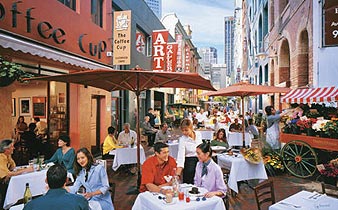
Melbourne is the capital and most populous city in the state of Victoria, and the second most populous city in Australia after Sydney. The Melbourne City Centre (also known as the "Central Business District" or "CBD") is the hub of the greater geographical area (or "metropolitan area") and the Census statistical division-of which "Melbourne" is the common name. Melbourne was founded in 1835 (47 years after the European settlement of Australia) by settlers from Launceston in Van Diemen's Land. It was named by Governor of New South Wales Sir Richard Bourke in 1837, in honour of the British Prime Minister of the day, William Lamb, 2nd Viscount Melbourne. During the Victorian gold rush of the 1850s, it was transformed into one of the world's largest and wealthiest cities.
NAATI Certified Lithuanian Translator
Upload your documents here for a quick quote