NAATI Tagalog Translator for Marriage Certificate Translation
Email us directly or upload your documents here for translation:Sydney
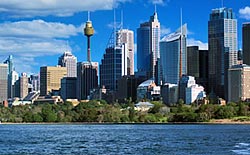
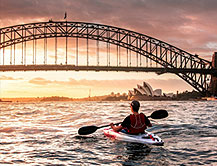
Sydney is the largest city in Australia, and the state capital of New South Wales (NSW). Inhabitants of Sydney are called Sydneysiders, comprising a cosmopolitan and international population from all around the world. Sydney has a reputation as an international centre for commerce, arts, fashion, culture, entertainment, music, education and tourism. The site of the first British colony in Australia, Sydney was established in 1788 at Sydney Cove by Arthur Phillip, commodore of the First Fleet, as a penal colony. The city is built on hills surrounding Port Jackson which is commonly known as Sydney Harbour, where the iconic Sydney Opera House and the Harbour Bridge feature prominently. The hinterland of the metropolitan area is surrounded by national parks, and the coastal regions feature the famous Bondi Beach and Manly Beach. Within the city are many notable parks, including Hyde Park and the Royal Botanic Gardens.
Tagalog Marriage Certificate Translation for Sydney
 Getting your marriage certified translated for official use in Sydney is easy. Our NAATI certified Tagalog translators are ready to assist you and everything can be done online.
- Leading provider for NAATI certified Tagalog translation
- Fast Tagalog translation with no extra charges
- Experienced NAATI certified translators based in Australia
Tagalog NAATI Translators
Sydney Document Translation Services
 Get professional document translation for personal or business use. Our translators can handle any type of financial, technical or medical document, with the support of a specialised language DTP team for typesetting translations into design material such as brochures, product packaging and technical reports.
All documents received are confidential. Get in touch today for any translation requirement.
More about the Tagalog Language
Tagalog is an Austronesian language spoken as a first language by a third of the population of the Philippines and as a second language by most of the rest. Its standardized form, commonly called Filipino, is the national language and one of two official languages of the Philippines. In 1939, Manuel L. Quezon named the national language "Wikang Pambansâ" ("National Language"). Twenty years later, in 1959, it was renamed by then Secretary of Education, José Romero, as Pilipino to give it a national rather than ethnic label and connotation.